Twelve Months, No Films After 1959: What My Vintage-Only Year Actually Taught Me
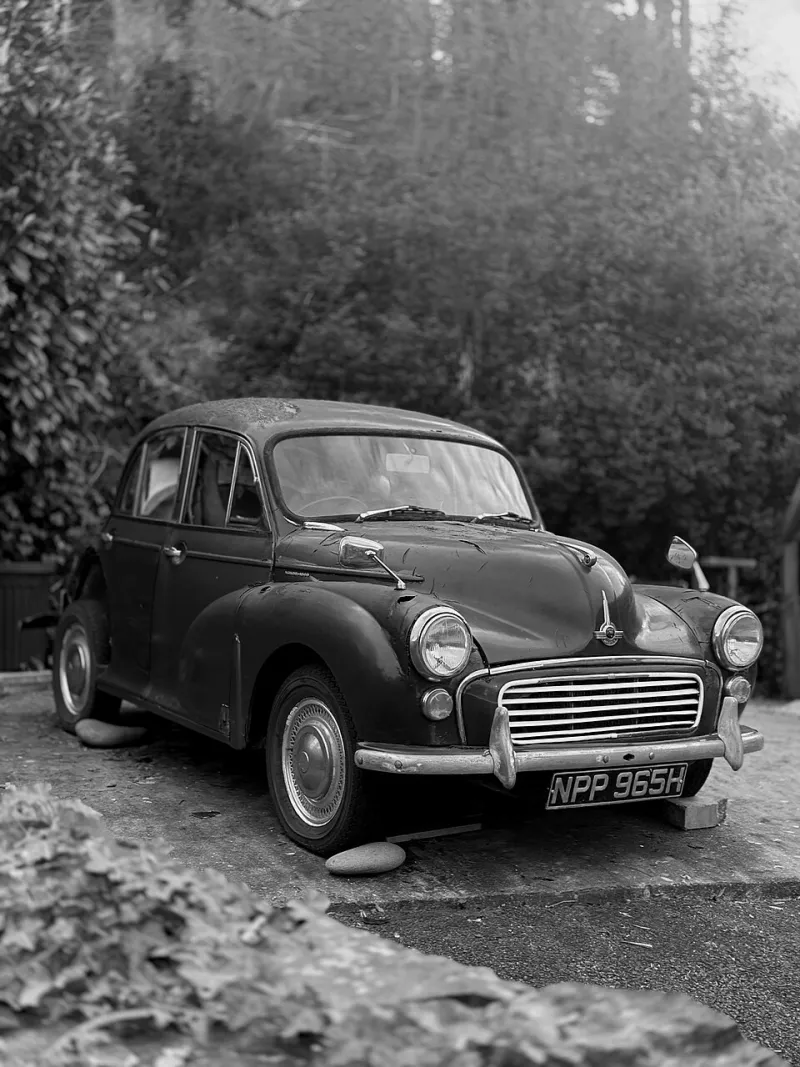
Photo: Jisihod121, CC0, via Wikimedia Commons
The rule was simple and, I assumed, mostly symbolic: for one year, I would only watch films released before 1960. No exceptions, no 'documentaries don't count' loopholes, no cheat nights. I expected it to be a pleasant novelty that wore off by March. Instead, it quietly rewired how I watch everything.
The First Month Was Harder Than I Expected
I went in confident. I like old movies; I've seen Casablanca more times than I can count. But there's a difference between enjoying classic films as an occasional treat and living inside them. The adjustment period was real. Pacing felt slow. Dialogue-heavy scenes demanded actual attention instead of washing over me. I realized, with some embarrassment, how much of my modern viewing runs on momentum and spectacle — the cinematic equivalent of scrolling.
By week six, something flipped. My brain recalibrated. Slowness stopped reading as slowness and started reading as confidence. When a pre-1960 film lingers on a face for fifteen seconds, it's not padding. It's a bet: this face is enough. Usually, it is.
What Held Up (Better Than the Stereotype Suggests)
The movies people warn you about — creaky, stagey, dated — mostly weren't the problem. What held up, shockingly well:
- The pacing of good comedy. His Girl Friday (1940) moves faster than most films made this century. Overlapping dialogue, zero wasted scenes. It's a masterclass.
- Horror through suggestion. Night of the Hunter (1955) and Diabolique (1955) scared me more than most contemporary horror, precisely because they trust the audience's imagination to do the heavy lifting.
- The westerns. Shane (1953), The Searchers (1956). I expected museum pieces; I got morally complicated stories that modern westerns are still openly arguing with.
- Bette Davis in everything. This was not on my bingo card. She's magnetic in a way that no camera angle can fake.
What Didn't Hold Up
Honesty requires the other column. Some films are period pieces in ways that fight the viewer — casual attitudes baked into scripts, characters and jokes that land differently now, and a steady diet of studio gloss that can blur together if you're not varying your diet. I learned to read around the era's blind spots rather than pretend they weren't there. Watching old films honestly means holding two things at once: genuine admiration for the craft, and clear eyes about the world that produced it.
The Surprises
Three things I didn't see coming:
1. Silent films are not homework. I saved them for last, assuming they'd be the broccoli of the experiment. Sunrise (1927) floored me. The Passion of Joan of Arc (1928) is one of the most intense acting showcases ever filmed. Subtitles and intertitles turned out to be no barrier at all.
2. The craft is legible. Without modern effects to hide behind, everything — lighting, blocking, editing — is right there on the surface. A year of this is basically a free film school. I now catch myself recognizing compositions in new releases that I first saw in a 1948 noir.
3. Old films are a conversation, not a vault. The deeper I went, the more modern movies quoted, remixed, and answered their grandparents. Watching only the old stuff for a year turned my future viewing into a two-way dialogue.
How It Changed My Modern Viewing
The year ended, and the first post-1960 film I watched was, fittingly, something loud and new. Here's what struck me: I noticed more. I noticed the cuts. I noticed when a director trusted a pause and when they didn't. I noticed how rarely modern films let a scene simply breathe.
It also changed what I seek out. I care less now about novelty for its own sake and more about whether a film trusts me. That's the throughline of the whole experiment: the best of pre-1960 cinema assumes the audience is smart, patient, and willing to meet the movie halfway. The best of any era assumes that. The vintage-only year just removed the noise long enough for me to hear it.
If You Want to Try It
You don't need a full year. Try one month. Start with the crowd-pleasers (Casablanca, His Girl Friday, Rear Window), add one silent film once you're warmed up, and mix genres so the gloss doesn't blur. Keep a list. Somewhere around week three, the adjustment happens — and you'll start seeing every movie, old or new, with sharper eyes.