Two People, One Room: The Scene That Separates the Confident Films From the Scared Ones
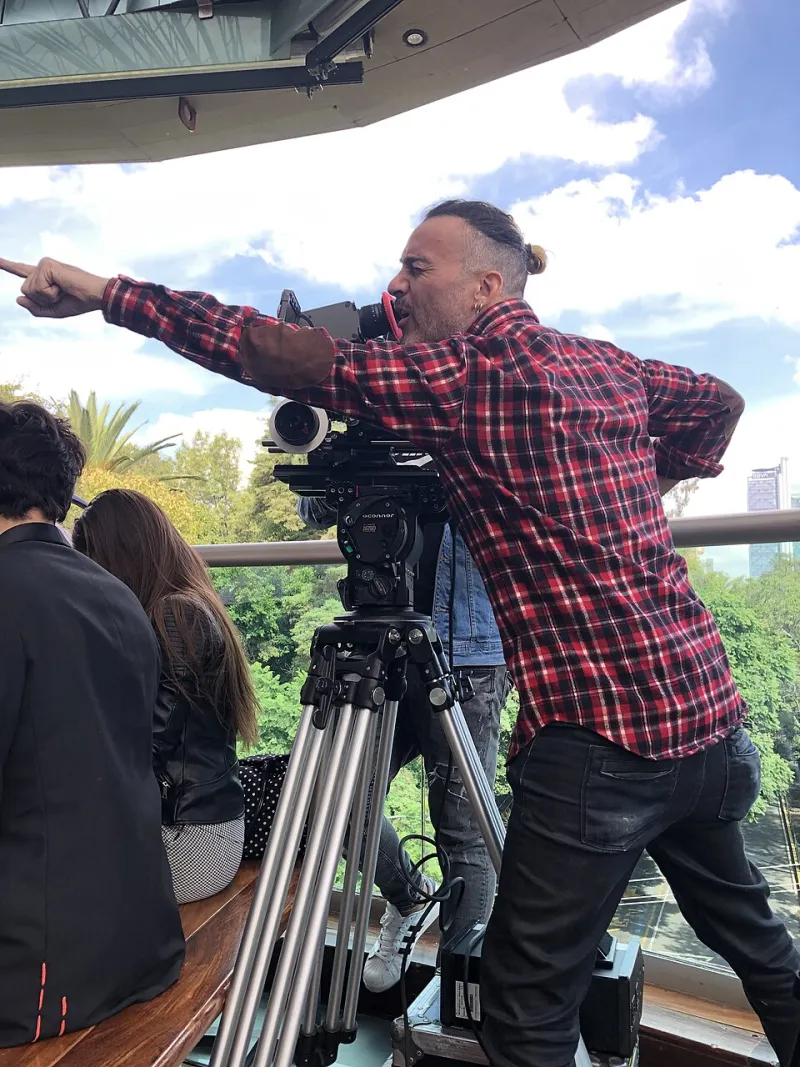
Photo: Arthur Gilber, CC BY-SA 4.0, via Wikimedia Commons
There's a moment in a lot of great films when everything stops moving. The plot parks itself. Two characters sit down — in an interrogation room, across a kitchen table, in the front seat of a parked car — and talk. For five minutes. Sometimes ten.
This is the scene that scares filmmakers. Action you can choreograph. Romance you can score. But a long, static conversation? That's a naked bet on writing, on actors, and — crucially — on the audience's willingness to sit still and listen. And I've started using it as a kind of litmus test. Call it the Talking Parts Test: how a film stages its longest dialogue scene tells you how much it trusts you.
The Anatomy of the Test
The confident version of this scene looks almost boring on paper. Long takes. Faces held in frame. The camera doesn't cut every three seconds to keep your thumb from scrolling. Think of the diner conversations in early Tarantino — the camera just plants itself and lets two people orbit each other verbally for eight minutes, because the writing can hold the weight.
Or consider the interrogation scenes in The Lives of Others, where the tension lives entirely in micro-expressions and the slow horror of what's being written down. Nobody explains the stakes. Nobody has a flashback to remind you why this matters. The film assumes you've been paying attention, and it's right to.
The insecure version announces itself immediately. It cuts. It inserts. It scores the conversation with music that tells you how to feel about each line. It flashes back to footage you saw twenty minutes ago. It doesn't trust the words, so it builds scaffolding around them — and the scaffolding is the confession. The film is telling you it doesn't believe its own scene.
Recent Evidence
You can feel this test playing out in the current release calendar. The talky films that work — the courtroom dramas, the two-hander dramas, the long dinner-table showdowns in prestige thrillers — tend to share a faith in stillness. The ones that don't fill the gaps with drone shots and needle drops, as if the dialogue were a hole to be patched.
Even blockbusters tip their hands. When a franchise film stops for a quiet scene and holds — no cutaways, no quips — that's usually a director who fought for it. When the quiet scene lasts ninety seconds and gets interrupted by an explosion, that's a studio that got nervous in the edit.
Try It Yourself
Here's your viewing exercise for the week. Next movie you watch, find the longest uninterrupted conversation. Then ask three questions:
- How many cuts? Fewer is braver. A scene that lives in a single two-shot is a director saying, the actors have this.
- Is the music doing emotional labor? If a string swell arrives to tell you a line was sad, the line probably wasn't.
- Does anyone restate information you already know? That's the film checking whether you're still awake. Confident films never wake the audience to check.
None of this is a rule, and plenty of great movies cheat. But the pattern holds often enough that it's changed how I watch. The set pieces are the trailer. The talking parts are the truth.