The Five-Dollar Revival: Confessions of a Matinee Convert
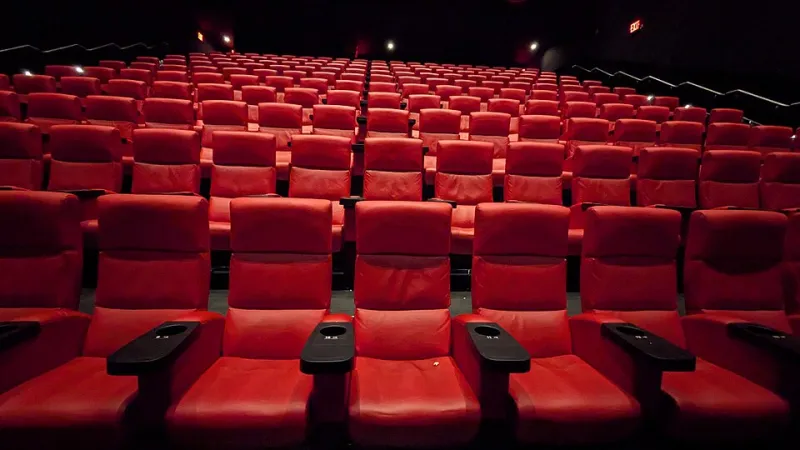
Photo: Steve Shook from Moscow, Idaho, USA, CC BY 2.0, via Wikimedia Commons
I paid $4.50 to see Jaws on a real movie screen last month. Not a copy. Not a living-room TV with the lights off. A forty-foot screen, a packed house, a crowd that gasped in unison when the shark's head slammed into the boat. The ticket cost less than the popcorn I bought with it.
Somewhere along the way, we all agreed that a night at the movies costs about as much as a nice dinner. Opening weekend, reserved recliners, $22 a head before you even glance at the concession stand. And look, I'm not here to dunk on the multiplex — I love a good Dolby rumble as much as anyone. But there's a whole other tier of American moviegoing that doesn't get nearly enough love: the second-run theater.
How Second-Run Actually Works
The economics are simpler than you'd think. Studios lease films to theaters, and after a movie finishes its exclusive first-run engagement — usually four to eight weeks — the rights become dirt cheap. A second-run house picks the film up for a fraction of the original fee, passes the savings to you, and makes its real money on snacks and volume. You get a recent movie (or a beloved classic) for the price of a fancy coffee.
The trade-off is time. You're watching what everyone watched a month ago. But here's the thing I've come to appreciate: that delay is a feature, not a bug. The hype has cooled. The discourse has happened. You walk in with nothing to prove and no spoilers to dodge — just a movie on a big screen.
The Houses Doing It Right
Every region has at least one of these places, and if you don't know yours, you're missing out.
In the Midwest, there are old single-screen palaces from the 1930s running weekend bills of everything from Casablanca to last summer's blockbusters, often paired with a $6 large popcorn that would run you $11 at the mall. On the West Coast, a handful of beloved discount houses — the kind with slightly sticky floors and projectionists who've run the same booth for twenty years — keep repertory calendars packed with double features. And up and down the East Coast, college towns have quietly sustained second-run theaters for decades, because students figured out the arbitrage long before the rest of us.
What these places share isn't nostalgia exactly. It's intimacy. The owner knows the regulars. The pre-show is a reel of trailers from movies you forgot existed. Someone in the booth actually cares whether the framing is right.
What You're Really Paying For
Here's my honest take: the $5 matinee has become the most honest transaction in American entertainment. Nobody's upselling you a subscription. Nobody's asking you to pick a seat in an app six weeks in advance. The deal is ancient and simple — a room, a screen, a crowd of strangers, a story.
And the crowd matters more than we admit. Watching a horror movie with twelve people who all paid five bucks and chose to be there hits differently than watching one in a half-empty premium auditorium. Second-run audiences skew toward people who've often already seen the film and came back anyway. That's a room full of enthusiasm.
Your Homework
Find your local second-run house this month. Check their calendar — most post weekly bills on Instagram or a creaky but functional website. Bring cash if you want to feel like you've time-traveled. And if the theater offers a membership or a punch card, get it, because these places survive on margins thin enough to see through.
The movies aren't dying. They're just getting cheaper in the places that matter most.