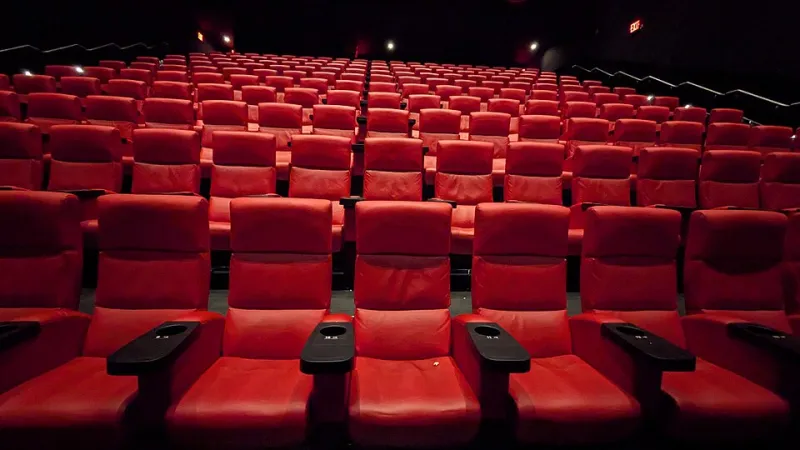
Lights Low, Phone Off: The Case for Treating Your Couch Like a Balcony Seat
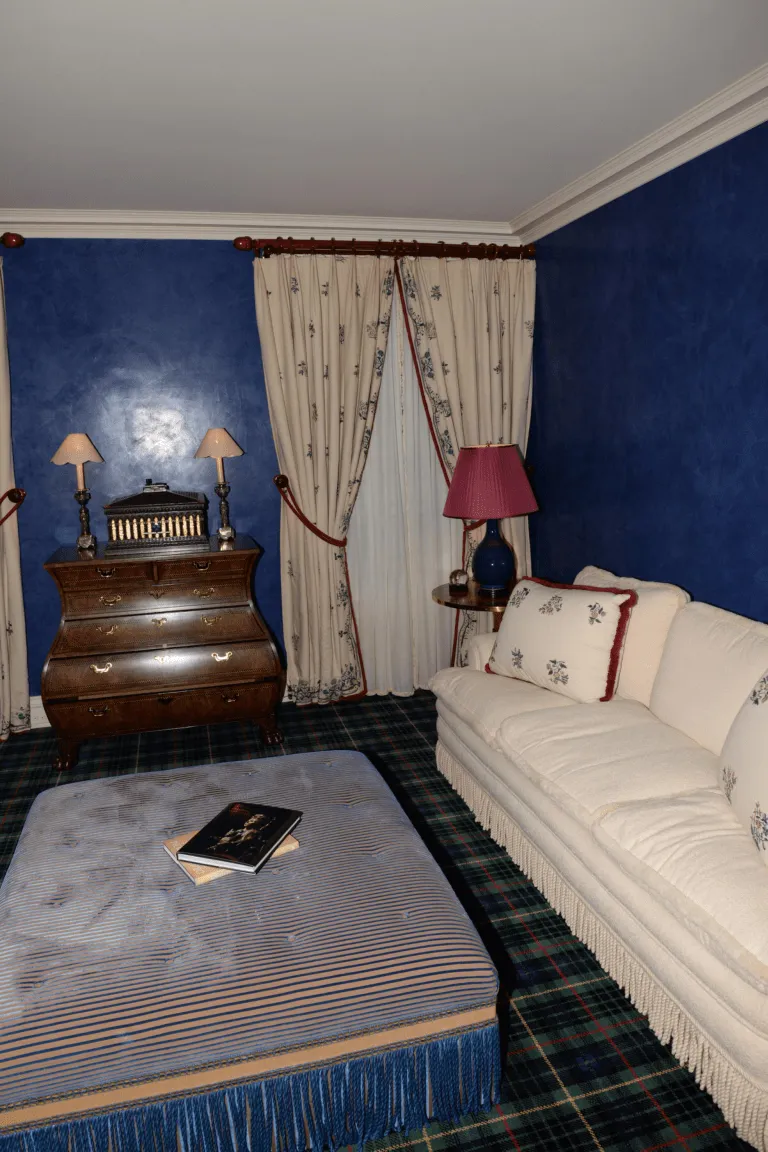
Photo: Federal Bureau of Investigation, Public domain, via Wikimedia Commons
There's a particular kind of guilt that comes with home viewing these days. You put on a film, half your attention goes to it, and twenty minutes later you're checking the price of a patio heater on your phone. Then someone on the internet tells you that you didn't really see the movie, and honestly? They're right. But the problem was never the couch. The problem was that we stopped treating the couch like a venue.
I've spent enough evenings in actual theaters — including a few of the beautiful old singlescreen palaces I've written about before — to know what makes those nights feel different. It's not the screen size, or at least not only. It's the ritual. The ticket, the lights dropping, the unspoken agreement that everyone in the room is here for this, now, together. And here's my slightly contrarian take: you can build most of that at home. Not all of it. But most of it.
The Lights Matter More Than the Screen
Start with lighting, because it's the cheapest upgrade and the most transformative. Overhead lights are the enemy. They flatten everything, they make the room feel like a dentist's waiting area, and they wash out the image worse than any budget TV ever could. A single warm lamp behind the viewing position, or a dimmable bulb turned way down, instantly changes the mood. Suddenly the screen is the brightest thing in the room, which is exactly the trick every theater in America figured out a century ago.
You don't need smart bulbs or a lighting designer. You need one lamp and the willingness to get up and turn off the ceiling fixture before the film starts. That walk to the switch is basically your opening credits.
Snacks Are Strategy, Not an Afterthought
Theater concessions cost more than my first car payment, so home viewing has one clear advantage: the snack bar is yours. But there's a right way and a wrong way to run it.
The wrong way is the grab-as-you-go approach, which guarantees at least two trips to the kitchen and a missed plot point each time. The right way is prep: everything portioned, everything within arm's reach, drink filled, napkins staged. This sounds fussy written down, but think of it as the home equivalent of buying your popcorn before the trailers. You're doing the logistics up front so the film can have your undivided attention later.
My personal rotation: something salty, something with crunch, something chocolate for the second act lull. You have your own. The point is the prep, not the menu.
The Phone Rule (Yes, You Need One)
Here's where I lose some of you. If you want a home screening to feel like an occasion, the phone has to go somewhere else. Not face-down on the armrest. Not in your pocket, buzzing away. Another room.
I know. I resisted this for years too. But the math is brutal: a two-hour film interrupted by even five checks isn't a two-hour film anymore, it's a two-hour film with holes in it. And unlike a theater, where social pressure keeps you honest, at home the only person policing you is you. So make it easy on yourself. Phone on the charger in the bedroom, door closed, done. The world will survive without you for 107 minutes. It always has.
Occasion vs. Background Noise
None of this means every home watch needs full ceremony. Plenty of great films have carried me through folding laundry, and I regret nothing. The distinction I'd draw is between a film you're watching and a film that's simply on — and being honest with yourself about which one you've queued up.
The trick is to pick your moments. Maybe it's Friday night, maybe it's a rainy Sunday, maybe it's the new release everyone's been talking about. Whatever the trigger, treat it like an event: dim the lights, run the snack prep, exile the phone, and sit down like you paid for the ticket. Because in a way, you did — you paid with an evening, and evenings are not free.
The theater will always have things my living room can't match: the giant screen, the crowd gasp, the smell of popcorn that costs nine dollars. But my couch has things the theater can't: pause buttons, my own snacks, and no one kicking my seat. Treat it like a real venue and it starts earning real respect. Dim the lights. The film's about to start.